The Paramedical Tattoo Healing Process: What to Expect
Published on October 23, 2025
Quick Summary
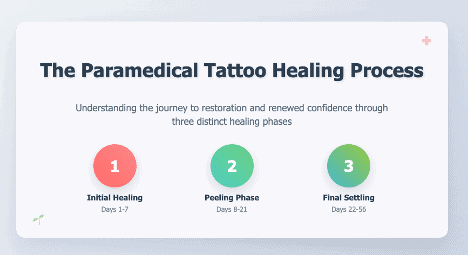
Paramedical tattoos offer life-changing cosmetic restoration for scars, burns, and medical conditions. The healing process typically takes 4-8 weeks and involves three distinct phases: initial healing (days 1-7), exfoliation phase (days 8-21), and final settling (days 22-56). Success depends on proper aftercare, following professional guidelines, and understanding that results improve gradually over time. Most clients see optimal results after the healing is complete, with some requiring touch-up sessions.
Paramedical tattooing represents one of the most meaningful applications of tattoo artistry, helping people reclaim confidence after medical procedures, accidents, or congenital conditions. Unlike decorative tattoos, these specialized procedures require a deeper understanding of both the technical process and the emotional journey involved in healing.
When you’re considering or have recently received a paramedical tattoo, understanding the healing timeline becomes crucial for managing expectations and ensuring optimal results. The process differs significantly from traditional tattoos due to the specialized techniques used and the often sensitive nature of the skin being treated.
Understanding Paramedical Tattooing
Paramedical tattooing serves as a reconstructive technique that helps restore the appearance of skin affected by various medical conditions. This specialized field addresses concerns such as areola reconstruction after mastectomy, scar camouflaging, correcting hypo-and hyper-pigmented skin, and hair follicle simulation for alopecia patients.
The technique requires specialized training beyond traditional tattoo artistry because practitioners must understand medical conditions, skin sensitivity, and how different skin types respond to pigmentation. The needles used are often different from conventional tattoo equipment, designed to work more gently with compromised or sensitive skin.
What sets paramedical tattooing apart is its therapeutic purpose. While traditional tattoos are primarily aesthetic choices, paramedical tattoos address real medical and psychological needs, helping individuals feel whole again after traumatic experiences or medical treatments.
The Three Phases of Healing
Phase One: Initial Healing (Days 1-7)
The first week after your paramedical tattoo procedure marks the most critical period for proper healing. During this phase, your skin begins its natural repair process, and the initial intensity of the pigment will be at its peak.
Immediately after the procedure, you’ll notice that the tattooed area appears darker and more vibrant than the intended final result. This intensity is completely normal and expected. The pigment sits close to the surface initially, creating this bold appearance that will gradually soften as healing progresses.
Some puffiness or light swelling and tenderness can be common during the first 24-48 hours, particularly in sensitive areas like the face or areas that have undergone previous medical treatments. Your skin may feel tight or slightly uncomfortable, similar to a mild sunburn. This sensation typically subsides within the first few days as your body’s inflammatory response calms down.
During this phase, your practitioner will provide specific aftercare instructions that are crucial for optimal healing. These typically include keeping the area clean and dry, applying recommended ointments, and avoiding exposure to water, sunlight, and physical irritation.
Phase Two: Peeling and Lightening (Days 8-21)
The second phase brings the most noticeable changes to your paramedical tattoo’s appearance. Around day 7-10, you may notice the treated area starting to lightly exfoliate, much like skin does after a sunburn. This exfoliation is a natural part of the healing process and indicates that your skin is regenerating properly.
As the outer layer of skin sheds, the tattoo will appear to lighten significantly. Many clients become concerned during this phase, worrying that the pigment is disappearing entirely. However, this lightening is expected and temporary. The pigment remains in the deeper layers of skin while the surface heals.
The peeling process can last anywhere from a few days to two weeks, depending on your skin type, the amount of melanin in the area treated, and how well you follow aftercare instructions. It’s crucial during this time to resist the urge to pick or scratch the skin, as this can disrupt the healing process and potentially affect the final results.
Some areas may exfoliate more noticeably than others, creating a light patchy appearance temporarily. This unevenness will resolve as the healing process completes, so patience during this phase is essential.
Phase Three: Final Settling (Days 22-56)
The final phase of healing is when your paramedical tattoo truly comes into its own. As the new skin fully develops, the pigment begins to show its true color and intensity. This phase can extend up to eight weeks or longer, depending on individual healing factors.
During this period, the color will gradually develop and stabilize. What appeared too light during the peeling phase will slowly regain appropriate pigmentation as the skin fully heals. The texture of the treated area will also normalize, becoming smoother and more integrated with the surrounding skin.
This is when most clients truly appreciate the results of their paramedical tattoo. The color appears more natural, the edges blend seamlessly with existing skin, and the overall appearance achieves the intended therapeutic goal.
Factors That Influence Your Healing Timeline
Several factors can significantly impact how quickly and effectively your paramedical tattoo heals. Understanding these variables helps you prepare for your unique healing journey and adjust your expectations accordingly.
Your age plays a considerable role in healing speed and quality. Younger skin typically heals faster due to higher collagen production and better circulation. However, this doesn’t mean older clients can’t achieve excellent results; it simply may take a bit longer for the full effects to become apparent.
The location of your paramedical tattoo affects healing considerably. Areas with good blood circulation, such as the face and chest, often heal more quickly than extremities. Conversely, areas that experience frequent movement or friction may require additional healing time and careful protection during the recovery period.
Your overall health status influences healing capacity significantly. Conditions such as diabetes, autoimmune disorders, or circulation problems can extend the healing timeline. Medications, particularly blood thinners or immunosuppressants, may also affect how your skin responds to the tattooing process.
Lifestyle factors including smoking, alcohol consumption, stress levels, and nutrition all impact your body’s ability to heal efficiently. Clients who maintain healthy lifestyle habits typically experience smoother healing processes and better final results.
Essential Aftercare Practices
Proper aftercare forms the foundation of successful paramedical tattoo healing. Your practitioner will provide detailed instructions specific to your procedure, but understanding the principles behind these recommendations helps ensure compliance and optimal results.
Keeping the treated area clean prevents infection and promotes healthy healing. This typically involves gentle cleaning with unscented baby wipes or mild, fragrance-free soap and lukewarm water. This is followed by patting the area dry with a clean towel. Avoid rubbing or scrubbing at all times, which can irritate the healing skin.
Moisturizing plays a crucial role in preventing excessive dryness and cracking, which can interfere with proper healing. Your practitioner will recommend specific products that won’t interfere with the healing process or affect pigment retention.
Sun protection becomes critical during healing and remains important long-term. UV exposure can cause pigment fading and interfere with the healing process.
Using a broad-spectrum sunscreen with SPF 50 and protective clothing helps preserve your results and prevent complications.
Activity restrictions may apply depending on the location and extent of your paramedical tattoo. Avoiding strenuous exercise, swimming, and activities that cause excessive sweating helps prevent complications and ensures optimal healing conditions.
Long-Term Care and Maintenance
Successfully healing your paramedical tattoo marks the beginning of a long-term relationship with your new appearance enhancement. Understanding how to maintain and protect your results ensures lasting satisfaction with your investment.
Sun protection remains crucial long after healing completes. UV exposure can cause pigment fading over time, particularly in certain colors and skin types. Incorporating sun protection into your daily routine helps preserve the appearance and longevity of your paramedical tattoo.
Regular moisturizing keeps the skin healthy and maintains the appearance of your tattoo. Well-moisturized skin appears more vibrant and helps preserve the integrity of the pigment over time.
Touch-up sessions may be recommended or necessary depending on your specific situation. Some clients benefit from enhancement sessions once initial healing is complete to perfect color matching or coverage. Your practitioner will advise you on whether touch-ups would be beneficial for your particular case.
Check-ins and sharing “in progress photos” with your paramedical tattoo practitioner help monitor the long-term appearance and address any concerns that may arise. These check-ins provide opportunities to discuss maintenance strategies and address any changes you notice over time.
The journey through paramedical tattoo healing requires patience, diligent aftercare, and realistic expectations, but the transformative results make the process worthwhile for most clients. Understanding that healing occurs in distinct phases helps you navigate the temporary changes in appearance and trust in the process. Remember that each person’s healing timeline is unique, influenced by factors ranging from age and health status to the specific procedure performed. By following professional aftercare guidance, maintaining realistic expectations, and staying in communication with your practitioner, you set yourself up for the best possible outcome. The weeks of healing investment typically reward clients with years of renewed confidence and improved quality of life, making paramedical tattooing one of the most meaningful applications of permanent cosmetic artistry.
Frequently Asked Questions
Q: How long does it take for a paramedical tattoo to fully heal?
A: Complete healing typically takes 4-8 weeks, though some clients may notice continued subtle improvements for up to 3 months. The timeline varies based on individual factors including age, health status, skin color, location of the tattoo, and adherence to aftercare instructions.
Q: Is it normal for my paramedical tattoo to look too dark initially and then too light during healing?
A: Yes, this is completely normal and expected. The tattoo will appear darker immediately after the procedure, then lighten significantly during the peeling phase (days 8-21), before gradually returning to its intended color as healing completes.
Q: Can I exercise or swim during the healing process?
A: Most practitioners recommend avoiding strenuous exercise for the first week and AVOID swimming or soaking the tattoo in water for 2 weeks. These activities can introduce bacteria, cause excessive sweating, or soften the healing skin in ways that interfere with proper recovery.
Q: Will I need a touch-up session after my paramedical tattoo heals?
A: Many clients achieve their desired results from the initial session, but touch-ups may be recommended to perfect color matching, improve coverage, or enhance specific areas. Your practitioner will evaluate your healed results and advise whether additional work would be beneficial.
Q: What should I do if my paramedical tattoo doesn’t seem to be healing properly?
A: Contact your practitioner immediately if you notice signs of infection (increasing redness, warmth, unusual discharge, fever), severe allergic reactions, or healing patterns that seem significantly different from what was described to you. Early intervention prevents complications and protects your results.